What Happened in the Tudor Era? A Quick Breakdown
The Tudors were a dynasty of English kings and queens that ruled between 1485 and 1603. The Tudor era was packed with events that changed England, for better or worse:
What happened during the Tudor era?

The Battle of Bosworth Field:
From 1455–1487, a civil war was fought in England between the House of Lancaster (represented by a red rose) and the House of York (represented by a white rose). The war was called the War of the Roses. The Battle of Bosworth Field marked the end of the war. The leader of the Lancastrians, Henry Tudor, was considered the victor and he was soon crowned as King Henry VII’s of England.

Henry VIII’s Act of Supremacy:
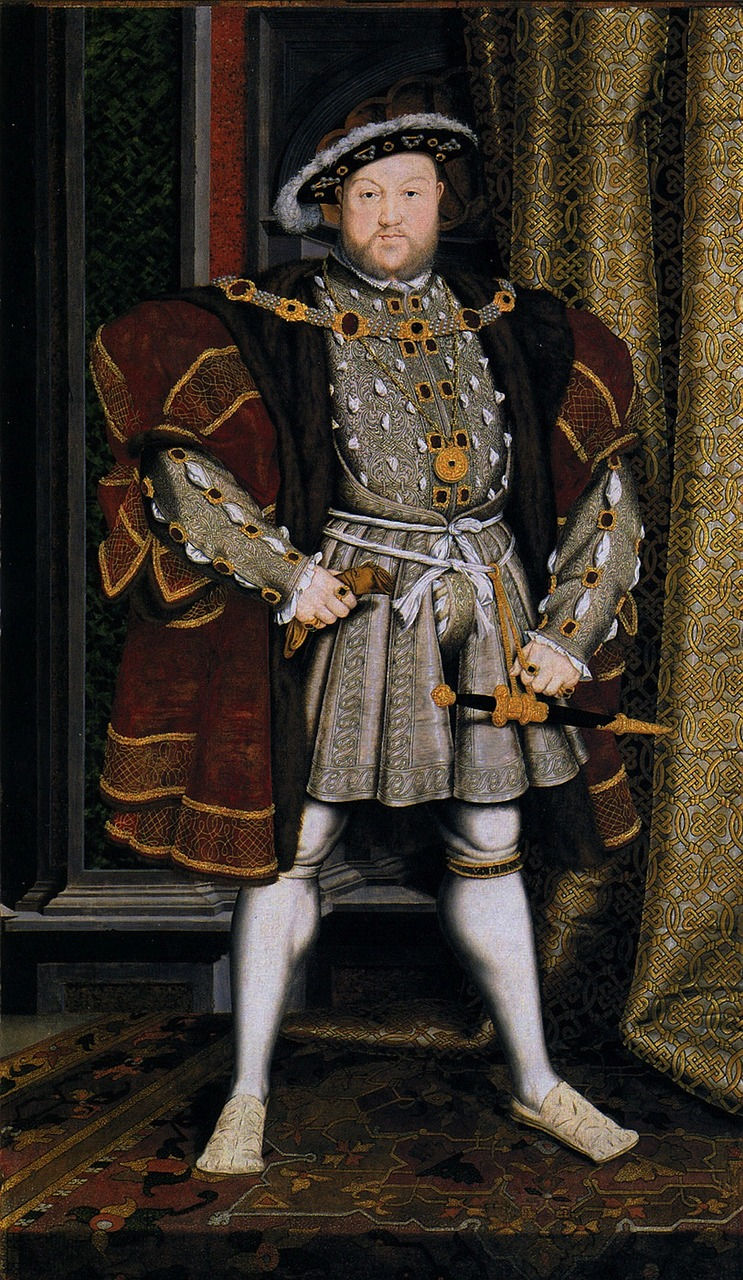
Henry VIII’s request to divorce his first wife, Catherine of Aragon, was denied by the pope of the Catholic church. But Henry's desire to marry a second wife, Anne Boleyn, was too strong to be stopped. Henry VIII decided to split from the Catholic church in Rome and make himself head of the Church of England. Now he could divorce Catherine and re-marry without needing permission from anyone.
The English Reformation:
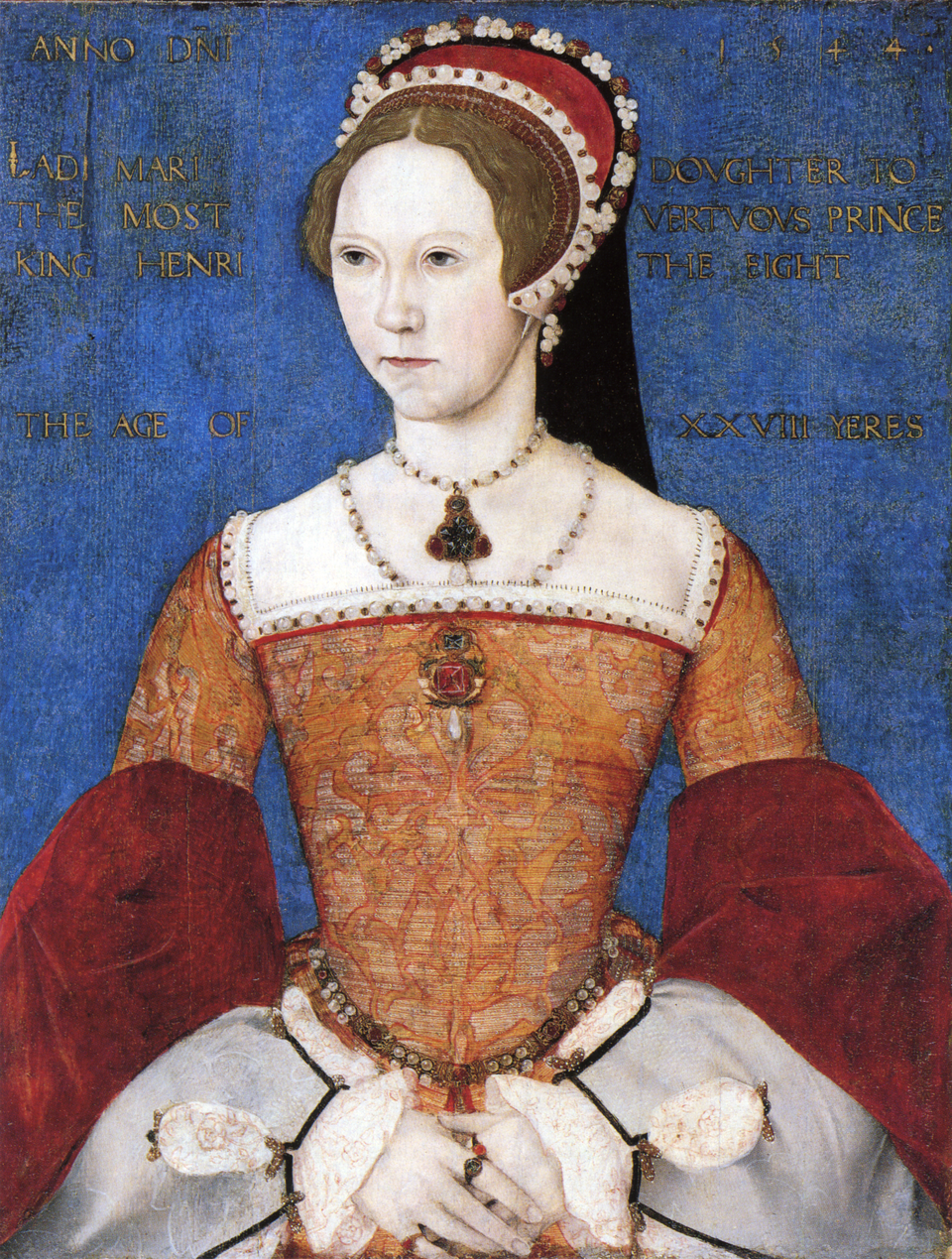
The English Reformation was an often bloody and violent religious revolution. It was stoked by Henry VIII’s break from the Catholic church and eventually led to the creation of a new religion; Protestant Christianity. From the time of Henry VIII, through the reigns of all three of his children, the religious practices changed in England and a large number of people were punished and killed as heretics for following the wrong religion.

The Dissolution of the Monasteries:
After his break from the Catholic church, Henry VIII knew that Monasteries around England were a reminder of the power of Rome. They also held a lot of money and wealth. During the Dissolution of the Monasteries, Henry VIII had around 800 monasteries, friaries, canonries and nunneries across England closed and demolished. Their wealth and lands were taken by Henry VIII to pay off his debts. He even used the stone from the buildings to construct his own new palaces.

Overseas Exploration
The Tudor era saw huge advances in overseas exploration in an attempt to compete with Spanish explorers, establish trade routes and gain wealth. Sailors and navigators at this time made many important voyages, including: Sir Francis Drake, who was the first Englishman to circumnavigate (travel all the way around) the world by sea; John Cabot, who made the first European exploration of North America since the Vikings; and, later, Sir Walter Raleigh, who led expeditions to attempt to colonise North America.

The Defeat of the Spanish Armada
During the Tudor era, Spain was one of the richest and most powerful countries in the world. King Philip II of Spain had an enormous fleet of ships, called the Spanish Armada, that was thought to be invincible. That was, until it was defeated by the English Navy on the orders of Elizabeth I in 1588. The Spanish Armada were outmanoeuvred by the British ships and battered by storms in the waters near Scotland and Ireland. As a result, half of Philip II's ships never made it home.

The Rise of William Shakespeare
Queen Elizabeth I was a big fan of the arts, and as a result, theatre flourished during her reign. Plays by the talented playwright, William Shakespeare, were often performed by his acting company, the Lord Chamberlain's Men, at court for the queen. During this time, the first purpose-built theatres (called playhouses) were constructed in England. One of the most famous of these was The Theatre, built by James Burbage, built exclusively for theatrical productions and the original home of the Lord Chamberlain's Men.