What Are Thankful Villages? The Astounding Story of World War 1's Luckiest Communities
World War One has gained the infamous reputation for being "the bloodiest war in history" up until that point. Around 6 million men were called to arms from the UK during World War 1. Of that number, around 700,000 were killed (in action, from injuries and wounds sustained during the hostilities or from disease). Because of this, it was very rare that you would come across someone who hadn't lost a family member during the conflict. It would be even rarer then for you would come across a whole village of people who hadn't lost a single resident to the war. Some would say almost impossible!
Astounding then that there are many such villages in the UK.
Villages where every person who left to fight in World War 1 returned home again. Villages where every military service member lived and survived to tell the tale.
We call these villages "Thankful Villages" or "Blessed Villages".

How many Thankful Villages are there in the UK?
Of approximately 16,000 villages, hamlets and parishes in England and Wales during World War 1, records show that around 53 of these have "Thankful Village" status (recent research suggests that there may actually be as many as 57!).
Villages in Scotland and Ireland (which was part of the UK in it's entirety during World War 1) were not so lucky. No Thankful Villages have been identified at all in these regions, with every community suffering casualties from the war.

Where does the name "Thankful Village" come from?
The phrase "Thankful Village" was first used by Arthur Mee, a British writer and journalist, in his 1930's guide to the counties of England called "The King's England". Mee was astonished by the small number of villages in England that didn't have a War Memorial (a site created to remember the local men and women who died in the war). After all, these villages didn't need a memorial. Instead they would often have plaques or monuments thanking their residents for their service during the conflict. So in his guide, Mee called these fortunate communities the "Thankful Villages".
How do we know how many Thankful Villages there are?
The number of Thankful Villages in the UK is constantly growing and changing. Initially, Arthur Mee believed there were 32 Thankful Villages, though could only positively identify around 24 of them.
Nowadays, it's even harder to pin-point which villages could take "Thankful" status because records from the time are very patchy and sometimes inaccurate.
Luckily, a determined trio of fact-hunters, Norman Thorpe, Rod Morris and Tom Morgan, took it upon themselves to establish a conclusive list of Thankful Villages. Their research is ongoing and includes lists of other villages where more details are required to fully verify their "Thankful" status. You can check out their current list of Thankful Villages and those whose status is in doubt on their website: HELLFIRE CORNER - The Thankful Villages*

Is there such thing as a Doubly Thankful Village?
Yes! A Doubly Thankful Village is a community where no military service members died in the First World War and the Second World War. As you can imagine, these places would have to be incredibly lucky and the list of these villages is quite small. On the other hand, very little research has gone into dubbing places as "Doubly Thankful Villages" so the number of communities who could make a claim to the status could be far higher than we think.
Did everyone return unharmed?
Unfortunately, no. The number of wounds and injuries during World War 1 was astronomically high. Because of this, many of those who survived the conflict were left with life-changing injuries to their bodies and enormous trauma to their minds. Arthur Mee notes how "Thirty men went from Catwick to the Great War and thirty came back, though one left an arm behind".
Notable Thankful Villages
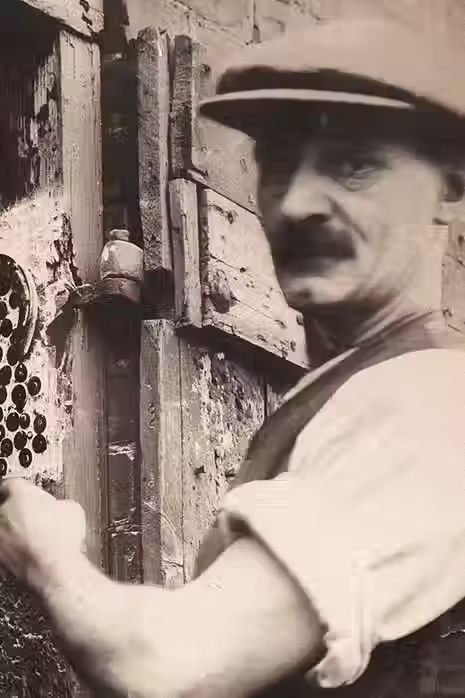
Catwick, Yorkshire:
The village blacksmith of Catwick nailed a lucky horseshoe to the door of his workshop. Surrounding the horseshoe, he nailed a coin for each man who went to war from his community. Each of those men came home. Inspired by his lucky horseshoe, the blacksmith repeated the process for every man who left his village to fight in the Second World War. Again, each man returned and the village claimed its Doubly Thankful status.
Arkholme, Lancashire:
A whopping 59 men from Arkholme all served in World War One and all returned safely home. This is the largest number of returning residents at any Thankful Village.
Upper Slaughter, Gloucestershire:
Here, not only did all those fighting in the war return safely, but the residents who stayed at home also survived a bombing of their village. Talk about lucky!


