The Flooding of the River Nile - Why was it so Important to the Ancient Egyptians?
Updated: Jan 27
The River Nile was the heart of Ancient Egyptian life. It provided them with food, materials for paper and clothes, and a transport network for trade. Without it, the Ancient Egyptians would not have had the thriving culture they had for thousands of years. So what was it about this river that brought life to Ancient Egypt?
The quick answer?
It flooded.
A lot!
Pretty regularly in fact. The River Nile flooded fairly reliably every September.
Now I know what you're thinking. Nowadays, when a river floods, all you hear about is bad news. The news and media go on about the power of the water washing things away and the destruction it leaves in it's wake. So, surely its a bad thing when a river floods? Right?
Not in ancient Egypt.
Why was the Flooding of the River Nile so Important to Ancient Egyptians?
Nutrient-Rich Silt
Most of the land in Egypt is desert. This means it's super dry, super hot and not a lot of things can live there. But when the Nile flooded, the river water brought black silt with it and deposited it along the floodplain. This silt was filled with nutrients and would combine with the river water to make a rich, moist mud that teamed with life.

The Gift of the Nile
The ancient Egyptians thought of these rich, black soils as the "Gift of the Nile" because they were fertile enough to grow healthy crops, including flax, wheat and papyrus. They called the soils along the Nile the "Kemet" or "black land" and the lifeless desert areas the "Deshret" or "red land". Without the fruitful soils along the banks of the river, the livelihoods of the ancient Egyptian people would suffer and they would have very little food.

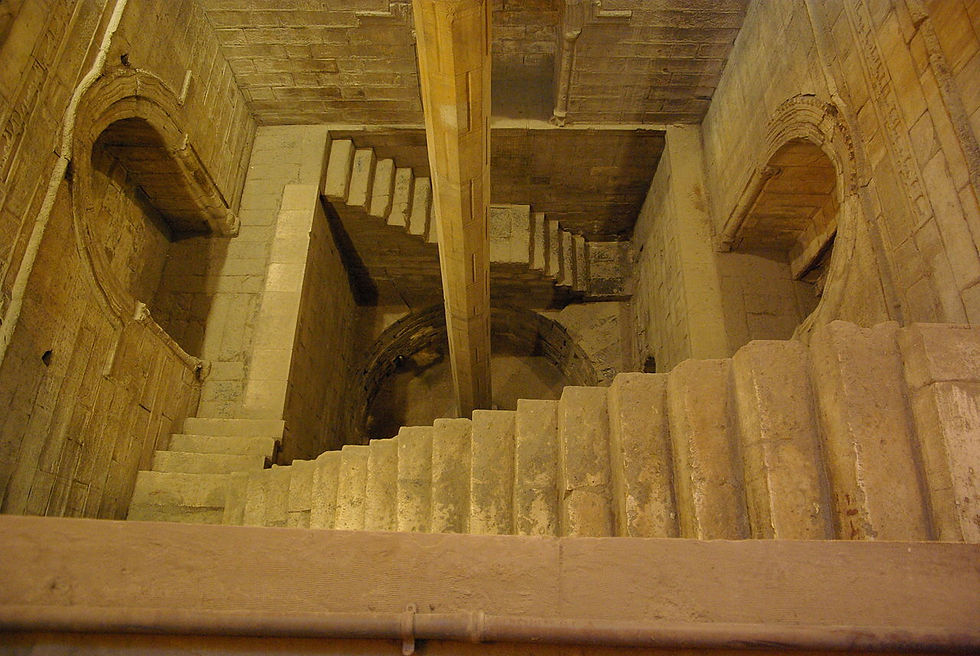
The Nilometer
The Egyptians measured the height of the River Nile’s annual flood with the brilliantly named ‘Nilometer’. This handy contraption allowed them to make an accurate guess about how many crops would grow that year. It also allowed the pharaoh to calculate how much money he could take from his people in taxes! So it was a very important structure.
Flood or Famine
The flooding of the Nile and the fertile soil it brought with it were seen as sacred gifts from the gods. So if the Nile didn't flood, the ancient Egyptians believed they must have displeased their gods who would punish them with crop failure and famine. But the opposite was also true. Too much flooding was dangerous and brought destruction and death from the gods. So, it was the job of the pharaoh to maintain a nice balance and harmony, known as "ma'at" to keep the gods pleased.
Want to find out what the ancient Egyptians grew in the soils along the river Nile? Find out about the food they farmed or the clothes, medicines and other plants they used for their everyday lives.


